
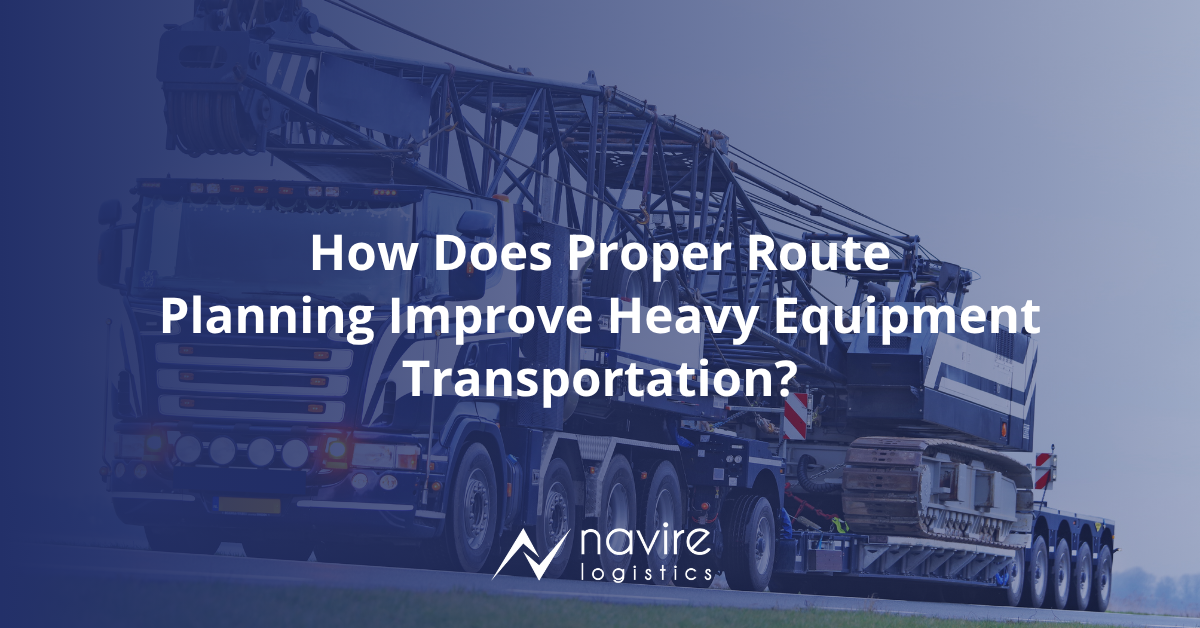
If you have ever dealt with heavy equipment transportation, then you already know one thing very clearly. Moving oversized machinery from one place to another is never as easy as loading it onto a truck and driving away. A single wrong road can delay an entire project. One low bridge can stop the shipment for hours. A traffic-heavy route can increase fuel costs more than expected. This is why proper route planning matters more than most businesses realize.
Many companies spend thousands on equipment, operators, permits, and transport vehicles, but they still ignore one important factor: the route itself. Without proper route planning, even experienced transport teams can run into serious problems on the road. Delays, permit issues, damaged equipment, road restrictions, and safety risks usually start with poor planning.
Today, businesses involved in construction, mining, oil and gas, agriculture, and manufacturing are paying closer attention to heavy equipment route planning because transportation mistakes cost both time and money. A late delivery can stop an entire worksite. A blocked road can force drivers to take longer routes. Bad weather can create dangerous driving conditions for oversized loads. These are everyday problems in heavy haul transportation, and most of them can be reduced with smart planning before the journey even begins.
Good route planning for heavy equipment transport helps companies avoid roads that cannot handle oversized cargo. It also helps transport teams calculate fuel stops, travel timing, permit requirements, and safe turning areas. This is why modern logistics companies now invest heavily in route optimization for logistics to improve delivery performance and reduce transportation risks.
At the same time, oversize load route planning has become more important because governments are stricter about road safety and transportation regulations. Companies now need accurate route analysis before moving large machinery across cities, highways, or borders.
When businesses want to transport heavy equipment safely, they cannot rely on guesswork. They need proper planning, experienced logistics teams, and routes that actually support oversized cargo movement. This is where professional heavy equipment logistics becomes a major advantage.
Why Heavy Equipment Route Planning Cannot Be Ignored
A lot of people outside the logistics industry think transportation is mostly about trucks and drivers. But companies working in heavy haul transportation know that the route itself decides how smooth or stressful the delivery will become.
Imagine moving a large excavator to a construction site. The transport team starts the trip without checking bridge heights or road restrictions properly. Halfway through the route, they discover a bridge that cannot support the load. Now the driver must stop, wait for instructions, take a longer road, burn extra fuel, and lose valuable time.
This happens more often than people think. That is why experienced companies focus heavily on heavy haul Fleet routing before the shipment starts. They study road conditions, traffic patterns, weather updates, and permit rules to avoid expensive surprises during transportation. Good planning saves companies from unnecessary pressure later.
How Proper Route Planning Improves Heavy Haul Transportation
The biggest advantage of proper Fleet routing is simply fewer problems on the road. In heavy haul transportation, small mistakes can become expensive very quickly. A wrong turn can damage equipment. Heavy traffic can delay deliveries for hours. Roads with sharp turns may not allow oversized trailers to pass safely.
With proper planning, transport teams already know:
◾ Which roads support oversized cargo
◾ Which bridges have weight limits
◾ Where traffic congestion usually happens
◾ Which areas require escort vehicles
◾ Where drivers can stop safely
◾ How weather conditions may affect transportation
This level of planning improves both safety and efficiency. Businesses that use professional Fleet routing or heavy equipment transport usually experience fewer delays, lower fuel costs, and better delivery timing.
Heavy Equipment Route Planning Helps Transport Heavy Equipment Safely
Safety is one of the biggest concerns in heavy equipment transportation. Oversized machinery is difficult to control on narrow roads or crowded highways. Drivers need enough road space to turn safely, maintain balance, and avoid accidents. Poor planning increases the risk of equipment damage, road accidents, and public safety issues. This is why logistics teams spend time checking every detail before transportation begins.
Proper heavy equipment Fleet routing helps companies:
◾ Avoid weak bridges
◾ Stay away from low-clearance tunnels
◾ Reduce accident risks
◾ Prevent trailer instability
◾ Minimize sudden route changes
◾ Protect expensive machinery
Companies that want to transport heavy equipment safely understand that planning is always cheaper than dealing with accidents later.
Route Optimization for Logistics Reduces Fuel and Operational Costs
Fuel prices continue to rise, and transportation companies feel this pressure every day. Long routes, traffic jams, and unnecessary detours increase operational expenses quickly. This is one reason why businesses now focus heavily on route optimization for logistics.
Smarter routes help transport teams:
◾ Reduce travel distance
◾ Save fuel
◾ Avoid traffic-heavy roads
◾ Lower driver overtime costs
◾ Improve delivery schedules
For companies handling regular heavy equipment transportation, these savings become very important over time. Even small route improvements can reduce monthly transportation costs significantly.
Oversize Load Route Planning Prevents Delivery Delays
Every delayed shipment creates problems somewhere else. Construction teams wait for machinery. Industrial projects stop temporarily. Site managers struggle with changing schedules. Clients become frustrated when deadlines move again and again. This is why oversize load Fleet routing plays such an important role in logistics operations.
Professional logistics teams study routes before transportation begins. They check road construction updates, traffic reports, weather conditions, and local permit requirements.
This preparation helps companies avoid situations like:
◾ Unexpected road closures
◾ Traffic restrictions
◾ Weight-limited bridges
◾ Unsafe weather conditions
◾ Permit violations
Good planning helps drivers stay on schedule and keeps projects moving without unnecessary interruptions.
Why Heavy Equipment Logistics Requires Experience
Not every logistics company can handle oversized transportation properly. Regular freight transport is very different from heavy equipment logistics. Oversized cargo requires special trailers, trained drivers, permit approvals, escort coordination, and detailed route analysis.
Experienced logistics providers know how to manage these responsibilities without creating unnecessary delays or risks.
They understand:
◾ How to secure oversized machinery properly
◾ Which permits are required
◾ Which roads support heavy loads
◾ How to manage emergency route changes
◾ How to coordinate safe deliveries
This experience becomes extremely important during long-distance or cross-border transportation projects.
Heavy Haul Route Planning Protects Expensive Equipment
Heavy machinery is expensive. Even minor transportation damage can create serious repair costs and project delays. Poor roads, sudden braking, unstable turns, or uneven surfaces can affect equipment stability during transport. This is why professional heavy haul fleet routing focuses not only on speed but also on cargo protection.
Transport teams carefully select routes that reduce vibration, sharp turns, steep slopes, and unsafe road conditions. This helps keep equipment stable throughout the journey. Businesses investing in expensive machinery cannot afford careless transportation decisions.
Technology Is Changing Route Planning for Heavy Equipment Transport
Modern logistics companies no longer rely only on paper maps or driver experience. Today, advanced software helps improve Fleet routing for heavy equipment transport through real-time data and digital tracking systems.
Companies now use:
◾ GPS tracking
◾ Digital route mapping
◾ Real-time traffic monitoring
◾ Weather tracking systems
◾ AI-based route analysis
◾ Fleet management software
These tools help logistics teams respond faster when road conditions suddenly change. Technology also improves communication between drivers, dispatch teams, and customers during transportation.
Route Optimization for Logistics Improves Customer Trust
Clients notice everything in logistics. They notice late deliveries. They notice poor communication. They notice damaged equipment and missed deadlines. This is why strong route optimization for logistics also improves customer confidence.
When companies deliver equipment safely and on time, clients feel more comfortable working with them again in the future. Reliable transportation builds long-term business relationships. And in logistics, reputation matters a lot.
The Future of Heavy Equipment Transportation Depends on Better Planning
The logistics industry continues to grow, and transportation projects are becoming more demanding every year. Road regulations are stricter. Fuel prices are changing constantly. Urban traffic is increasing. Oversized cargo movement is becoming more complex.
Because of this, businesses involved in heavy haul transportation are investing more in planning, tracking systems, and route analysis tools. The future of heavy equipment transportation will depend heavily on smarter decision-making before the shipment even starts.
Companies that improve their planning process today will face fewer delays, lower costs, and safer transportation operations tomorrow.
Move Heavy Equipment Without Delays and Unnecessary Risks
In heavy equipment transportation, most problems do not start during the journey. They usually start before the truck even leaves the yard. Poor planning leads to delays, permit issues, fuel waste, unsafe roads, and damaged delivery schedules. This is why experienced logistics companies never ignore proper Fleet routing.
Strong heavy equipment Fleet routing helps businesses reduce transportation stress, improve delivery timing, lower operational costs, and transport heavy equipment safely across long and challenging routes. From accurate oversize load Fleet routing to smarter route optimization for logistics, every step matters when handling oversized cargo.
As transportation projects continue to grow in size and complexity, businesses need reliable heavy equipment logistics support that keeps operations moving without unnecessary interruptions.
If your business depends on safe and timely heavy haul transportation, Navire Logistics is ready to help you plan smarter routes, reduce delays, and move your equipment with confidence.



