
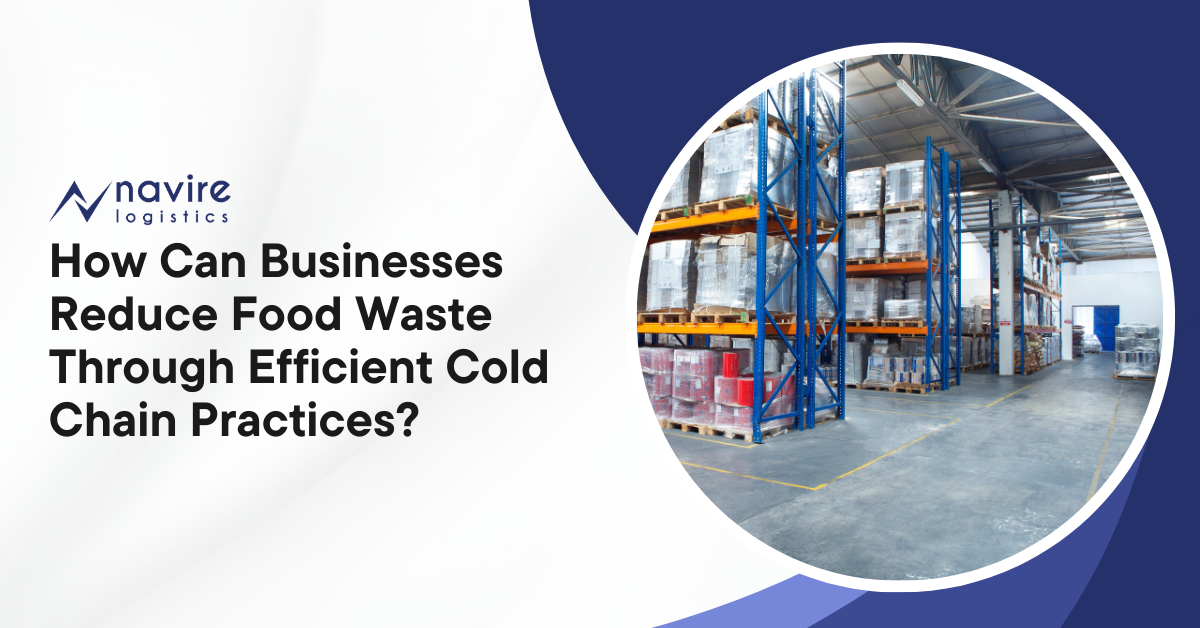
The Importance of Cold Chain Management in Food Waste Reduction
In today’s fast-paced world, businesses are increasingly aware of the critical role that cold chain management plays in the food industry. Efficient temperature-controlled logistics are essential for maintaining the quality of perishable goods and implementing effective food waste reduction strategies. Optimizing the perishable goods supply chain through innovative cold chain practices is crucial, with an estimated one-third of food produced for human consumption wasted annually. This blog post will explore how businesses can reduce food waste by adopting robust refrigerated transportation best practices, optimizing cold storage, and promoting sustainable food distribution.
Understanding Cold Chain Management
What is Cold Chain Practices?
Cold chain practices refers to maintaining the temperature-controlled supply chain for perishable goods, ensuring that products remain at optimal temperatures throughout their journey from producer to consumer. This encompasses various components, including refrigerated transportation, cold storage facilities, and temperature monitoring systems. By implementing effective cold chain management, businesses can significantly reduce spoilage and waste, thus reducing food waste.
The Role of Cold Chain in Food Waste Reduction
The relationship between cold chain management and food waste reduction is undeniable. When perishable goods are not stored or transported under appropriate temperature conditions, they are more likely to spoil, leading to increased waste. By investing in efficient cold chain practices, businesses can ensure that their products maintain freshness and quality, ultimately decreasing the amount of food wasted.
Strategies for Efficient Cold Chain Management
1. Implementing Temperature Monitoring Systems
One of the most effective food waste reduction strategies is implementing advanced temperature monitoring systems. These systems allow businesses to track the temperature of their products in real-time, ensuring that they remain within safe limits throughout the supply chain. By utilizing IoT devices and data analytics, companies can identify potential issues before they lead to spoilage, thereby enhancing the overall efficiency of their cold chain management.
2. Optimizing Cold Storage Facilities
Cold storage optimization is another vital aspect of effective cold chain management. Businesses should regularly assess their storage facilities to ensure they operate efficiently. This includes evaluating insulation, energy consumption, and layout. By optimizing cold storage, businesses can reduce energy costs, minimize spoilage, and decrease food waste.
3. Adopting Best Practices in Refrigerated Transportation
Refrigerated transportation best practices are essential for maintaining the integrity of perishable goods during transit. This includes ensuring that vehicles have reliable refrigeration units, training staff on proper loading techniques, and scheduling timely deliveries. By following these best practices, businesses can significantly reduce the risk of spoilage and waste during transportation.
4. Collaborating with Supply Chain Partners
Collaboration among supply chain partners is critical for successful cold chain logistics management companies. Businesses should work closely with suppliers, distributors, and retailers to establish clear communication channels and share best practices. By fostering strong partnerships, companies can enhance the overall efficiency of their perishable goods supply chain, leading to reduced food waste.
5. Embracing Sustainable Food Distribution Practices
Sustainability is becoming increasingly important in today’s food industry. By embracing sustainable food distribution practices, businesses can reduce waste and enhance their brand reputation. This may include adopting eco-friendly packaging, optimizing delivery routes, and utilizing energy-efficient transportation methods. By prioritizing sustainability, companies can create a more resilient cold chain that minimizes food waste.
The Impact of Cold Chain Management on Business Success
Enhancing Profitability Through Waste Reduction
Investing in cold chain management benefits the environment and a company’s bottom line. By reducing food waste, businesses can lower their operational costs and improve profitability. This is particularly important in the highly competitive food industry, where margins can be thin. Companies that prioritize efficient cold chain practices are better positioned to succeed in the market.
Building Consumer Trust and Loyalty
Consumers are increasingly concerned about food waste and sustainability. By demonstrating a commitment to effective cold chain management and waste reduction, businesses can build trust and loyalty among their customers. This can lead to increased sales, positive brand perception, and long-term success in the marketplace.
The Path Forward for Businesses
Efficient cold chain practices is essential for businesses seeking to reduce food waste and enhance operational efficiency. By implementing advanced temperature monitoring systems, optimizing cold storage facilities, adopting best practices in refrigerated transportation, collaborating with supply chain partners, and embracing sustainable food distribution practices, companies can significantly minimize waste in their perishable goods supply chain.
As the food industry continues to evolve, those who prioritize effective cold chain practices will contribute to a more sustainable future and position themselves for success in an increasingly competitive market. By taking proactive steps to reduce food waste, businesses can positively impact the environment while enhancing their profitability and consumer trust.
By focusing on these strategies, businesses can take meaningful steps toward reducing food waste, improving operational efficiency, and contributing to a more sustainable food system. As we move forward, the food industry must embrace the importance of cold chain management and its role in shaping a more sustainable future.



