
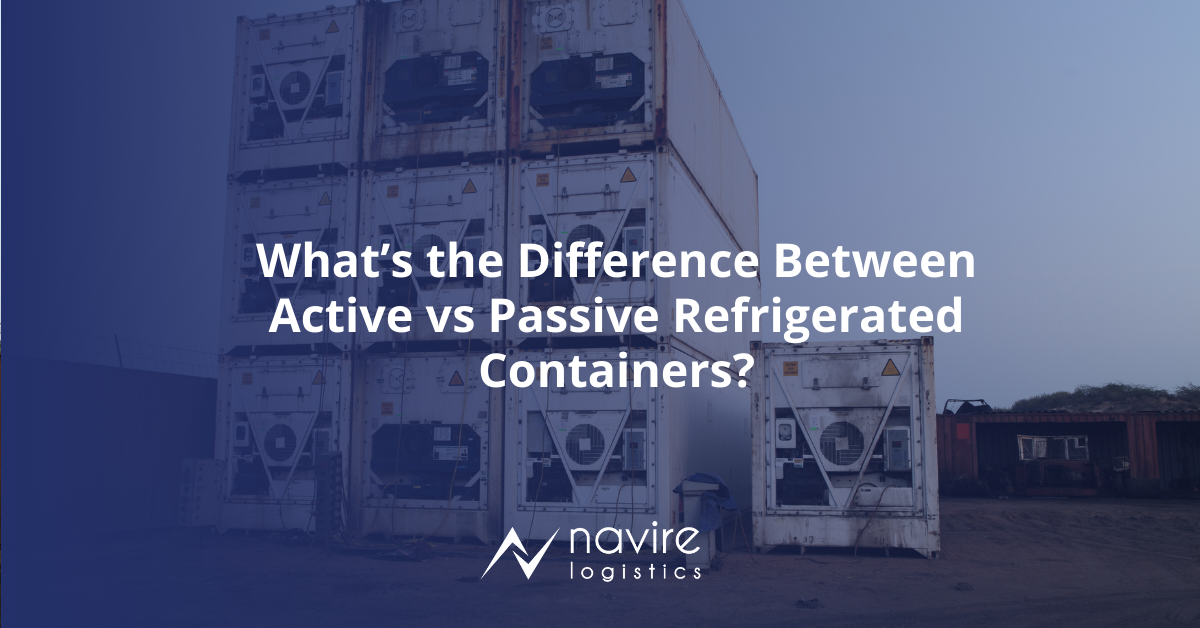
Active vs passive refrigerated containers: Have you ever wondered why two shipments of the same product, weighing almost the same, can have drastically different shipping costs?
The secret often lies not in the cargo itself but in how it’s packed in global trade, where every cubic inch matters; poor packing choices can quietly erode profit margins. Yet, many businesses still overlook this hidden cost driver: shipping volume.
Consider this: what if your cartons were just a little smaller, your products were stacked more efficiently, or your packaging was customized instead of generic? The savings could stretch into thousands of dollars over time. But the real magic goes beyond cost: smart packing also means smoother handling, fewer damages, and greener logistics.
This blog will reveal the most efficient packing hacks for minimizing shipping volume, from space-optimizing techniques to cutting-edge packaging technologies that logistics leaders rely on. Whether you’re a small e-commerce seller or managing international freight for a large enterprise, these insights can help you ship smarter, cut waste, and gain a competitive edge.
Curious to see how you can transform your packaging into a profit-making strategy?
Let’s Read.
In this guide, we’ll walk you through everything you need to know:
◾ What each type of container is and how it works
◾ The strengths and weaknesses of both active and passive cold chain methods
◾ Where each fit in the different cold chain shipping types
◾ A clear refrigerated container technology comparison
◾ Insights into passive vs active pharma logistics (a key industry where mistakes are not an option)
By the end, you’ll know exactly when to use active solutions and when passive ones make more sense.
What Are Active Refrigerated Containers?
Active refrigerated containers are like mobile refrigerators. They don’t just keep products cold; they actively manage the temperature using built-in cooling and heating systems.
Key Features of Active Containers
◾ Equipped with compressors, fans, and heaters
◾ Active containers temperature control with exact settings
◾ Real-time monitoring and data logging
◾ Powered by rechargeable batteries, plugs, or even aircraft power
Real-Life Example
Think of vaccines. They often need to stay between +2°C and +8°C, and even a short excursion outside this range could ruin them. An Occupied container can maintain that environment consistently for days, regardless of whether the shipment crosses continents or faces unexpected delays.
That’s why industries like pharmaceuticals, biotechnology, and high-value perishables rely heavily on Occupied solutions.
What Are Passive Refrigerated Containers?
Passive refrigerated vessels, on the other hand, don’t generate cold air. Instead, they use insulation, dry ice, or phase-change materials (PCMs) to keep the cargo within a controlled range.
Receptive Cold Chain Container Benefits
◾ Much cheaper than Occupied units
◾ Lightweight and easy to handle
◾ Eco-friendly (no constant power required)
◾ Flexible for last-mile delivery or short to medium transit
Real-Life Example
Consider a box of frozen seafood traveling from a coastal supplier to a city supermarket. Instead of using a costly powered container, the supplier can pack the cargo in a Receptive container with gel packs. For a journey that lasts just 12–24 hours, it’s efficient, safe, and much more affordable.
Active vs Passive Refrigerated Containers; Direct Comparison
Here’s a side-by-side refrigerated container technology comparison that makes the difference crystal clear:
Factor | Active Containers | Passive Containers |
Temperature Control | Highly precise, adjustable | Limited by coolant/insulation |
Duration | Long-haul, extended trips | Short/medium range |
Monitoring | Live data, alarms | Minimal (if any) |
Cost | Expensive to run and maintain | Lower upfront and operating costs |
Best For | Pharmaceuticals, vaccines, biotech | Perishables, food, short-haul |
Key Takeaway
Occupied containers give you control and security. Receptive Vessels provide you with affordability and flexibility. The choice often depends on what you’re shipping and how far it needs to travel.
Cold Chain Shipping Types and Where Each Container Fits
Cold chain shipping isn’t a one-size-fits-all process. From air to ocean, every mode of transport has its challenges. That’s why knowing where Occupied vs Receptive refrigerated containers fit best can save you money and headaches.
◾ Air Freight: Airlines often Favor active containers for pharmaceuticals because regulations require strict temperature control of Occupied containers.
◾ Sea Freight: Receptive Vessels can be effective for food shipments when routes are well-planned and transit times are predictable.
◾ Road Transport: Both types are used, depending on the distance Occupied for cross-border pharmaceuticals, and Receptive for fresh produce to supermarkets.
◾ Last-Mile Delivery: Passive shines here, ensuring affordability and practicality in local distribution.
In reality, most businesses use a combination of both, depending on the types of cold chain shipping they operate in.
Passive vs Active Pharma Logistics; A High-Stakes Decision
The pharmaceutical logistics sector demonstrates the most pronounced distinction between Receptive and Occupied pharma logistics operations. The pharmaceutical industry operates under strict Good Distribution Practice (GDP) regulations, which require absolute precision, as any mistake can result in financial losses exceeding millions of dollars and potentially threaten human lives.
Active Containers Become Necessary for Specific Situations
◾ High-value biologics or gene therapies
◾ Vaccines requiring ultra-precise ranges
◾ Shipments spanning multiple countries and climate zones
When Passive Containers Are Sufficient
◾ The transportation of medicines with lower sensitivity and wider temperature acceptance ranges
◾ Short-distance hospital-to-clinic deliveries
◾ Clinical trial kits are transported between locations within the same region.
Pharmaceutical companies implement both systems in their operations through a strategic hybrid cold chain system, which achieves optimal precision and cost-effectiveness.
Why Understanding Active vs Passive Cold Chain Is Crucial
The cost of logistics operations remains high. The cost of cold chain errors exceeds all other expenses. Your business will receive multiple forms of protection through the proper identification of Occupied and passive solution applications.
◾ Protecting Product Integrity: Temperature stability remains essential for protecting both seafood and pharmaceutical products.
◾ Meeting Regulatory Requirements: The pharmaceutical industry requires absolute compliance with regulatory standards.
◾ Optimizing Costs: Occupied Vessels should only be used when Receptive containers fail to meet the required standards.
◾ Building Customer Trust: The delivery of products in a safe manner helps build trust with your customers.
◾ Sustainability Goals: Passive systems require fewer resources, resulting in a decreased environmental impact.
Companies that collaborate with experts specializing in Occupied and Receptive refrigerated container technology achieve market leadership in contemporary supply chain operations.
Refrigerated Container Technology Evolution and Future Development Trends
The development of cold chain logistics technology shows rapid progress in the current market. The market will introduce new solutions that unite the optimal aspects of Occupied and Receptive systems. Some trends to watch:
◾ Hybrid Containers: The development of hybrid containers that integrate insulation with built-in cooling systems.
◾ IoT & AI Integration: The integration of IoT and AI systems enables more effective route optimization and enhanced monitoring capabilities.
◾ Eco-Friendly Coolants: The development of environmentally friendly cooling agents aims to decrease dependence on dry ice and dangerous refrigerants.
◾ Extended Durations: The new generation of passive containers maintains product safety for 5–7 days without needing reconditioning.
Emerging innovations will reshape cold chain shipping operations, forcing businesses to reevaluate their current strategies.
Active vs Passive Refrigerated Containers; Which Should You Choose?
The final decision depends on your specific shipping requirements. The choice between active and passive cold chain solutions depends on the particular requirements of your shipment, rather than which one provides superior performance.
◾ Active containers should be selected for transporting valuable and sensitive products that require long-distance transportation.
◾ The selection of passive containers offers cost-effective and sustainable delivery options for routes with predictable distances.
◾ Your business needs to select both active and passive solutions when you handle different types of cargo that require flexible cold chain shipping methods.
Navire Logistics adopts a customized solution approach, rather than using standardized methods for all clients. Our team evaluates your shipment needs, delivery schedules, and regulatory requirements to determine which solution active, passive, or hybrid provides the best results.
Making the Right Choice in Active vs Passive Refrigerated Containers
The distinction between active and passive refrigerated containers extends beyond technological differences. The global cold chain relies on trust and reliable operations, resulting in efficient outcomes. Active containers offer precise temperature management through advanced systems, while passive containers provide budget-friendly adaptability for transporting fewer sensitive goods over shorter distances.
The pharmaceutical sector, along with the food and biotechnology industries, faces the highest risks in its operations. A spoiled shipment results in both monetary damage and permanent damage to a business’s reputation, as well as potential loss of human life. The identification of both system advantages and disadvantages becomes vital for companies.
Navire Logistics delivers complete cold chain solutions through customized active and passive cold chain services to all our clients. Our team guarantees safe delivery of perishable goods and life-saving medicines through our reliable cold chain services, which maintain perfect product conditions during transportation.



