blogs

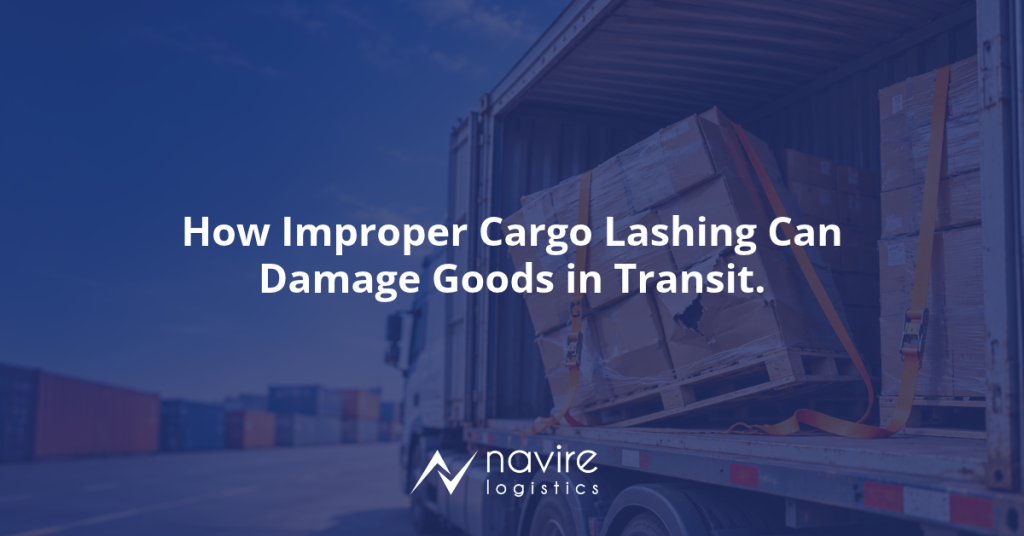
Cargo lashing and load securing in a truck trailer

How Improper Cargo Lashing Can Damage Goods in Transit

A shipment can be packed perfectly, loaded carefully and transported along the planned route, yet arrive at its destination with damaged goods. Sometimes, the problem is not the packaging or the journey itself, but what happens when cargo shifts because it was not secured properly. From industrial machinery and steel components to palletised goods and…

How Improper Cargo Lashing Can Damage Goods in Transit Read More »
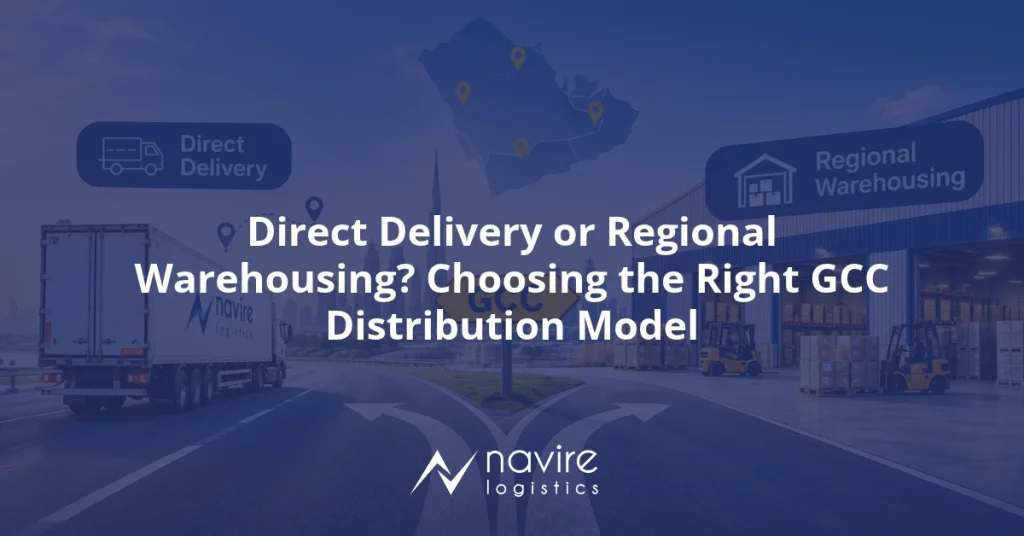
GCC distribution model: direct delivery vs regional warehousing

Direct Delivery or Regional Warehousing? Choosing the Right GCC Distribution Model

Expanding across the GCC creates new opportunities for businesses, but reaching customers efficiently requires more than moving goods from one country to another. Companies must decide how their products should travel, where inventory should be stored and how quickly orders need to reach their destinations. For some businesses, direct delivery offers a straightforward route from

Direct Delivery or Regional Warehousing? Choosing the Right GCC Distribution Model Read More »

Customs documentation responsibilities of importer, supplier and freight forwarder

Who Is Responsible for Customs Documentation: The Importer, Supplier or Freight Forwarder?

A shipment can be ready for dispatch, yet a missing certificate or an incorrect invoice can delay its clearance at the border. In international logistics, customs documentation is as important as transportation itself. But when something goes wrong, who is responsible for correcting it: the importer, the supplier or the freight forwarder? Understanding their individual

Who Is Responsible for Customs Documentation: The Importer, Supplier or Freight Forwarder? Read More »

LCL freight documentation errors

One Error, Multiple Delays: The Impact of Documentation on LCL Freight

A shipment does not always get delayed because of bad weather, port congestion, or vessel schedule changes. Sometimes, the problem begins with a single incorrect detail on a document. An inaccurate cargo description, a mismatch in declared quantities, or an incomplete commercial invoice can trigger additional checks, document amendments, and customs queries. In Less-than-Container Load

One Error, Multiple Delays: The Impact of Documentation on LCL Freight Read More »

FEFO vs FIFO in food logistics

FEFO vs FIFO in Food Logistics: Which Inventory Method Protects Shelf Life?

A food shipment can arrive on time, reach the warehouse in good condition and still become a financial loss simply because the wrong batch was dispatched first. For food importers, distributors and retailers, inventory rotation is not just about organising shelves. It is about ensuring that products move through storage and distribution before their remaining

FEFO vs FIFO in Food Logistics: Which Inventory Method Protects Shelf Life? Read More »

Undeclared dangerous goods and cargo declaration

Undeclared Dangerous Goods: The Hidden Risks Behind an Incorrect Cargo Declaration

A shipment can look completely ordinary on the outside while hiding a serious risk within. A misdeclared chemical, an improperly documented battery or an overlooked hazardous substance can turn routine cargo transportation into a major safety concern. In logistics, what you fail to declare can be just as dangerous as what you ship. Undeclared dangerous

Undeclared Dangerous Goods: The Hidden Risks Behind an Incorrect Cargo Declaration Read More »

HS code classification in international shipping

Beyond the Invoice: Why Accurate HS Codes Matter in International Shipping

International shipping involves more than moving goods from one country to another. Every shipment must meet customs requirements, carry accurate documentation and comply with the import regulations of its destination. One small detail can influence the entire process: the Harmonized System (HS) code. An incorrect HS code can lead to unexpected duties, customs queries, clearance

Beyond the Invoice: Why Accurate HS Codes Matter in International Shipping Read More »

Food logistics during peak demand

Food Logistics During Peak Demand: How to Prepare for Seasonal Volume Surges

A successful seasonal promotion can bring a surge in orders. A festive period can reshape purchasing patterns overnight. And a sudden increase in demand for fresh produce, frozen foods or beverages can put pressure on every stage of the supply chain. For food businesses, the challenge is not simply moving more products. It is ensuring

Food Logistics During Peak Demand: How to Prepare for Seasonal Volume Surges Read More »

Deadweight tonnage vs cargo weight

Deadweight Tonnage vs Cargo Weight: What Freight Forwarders Need to Know

In ocean freight, a vessel’s capacity is only part of the equation. The real challenge is understanding how much cargo it can accommodate while meeting the operational requirements of the voyage. Confusing deadweight tonnage with cargo weight can lead to incorrect assumptions during vessel selection, shipment planning and cargo allocation. For freight forwarders managing international

Deadweight Tonnage vs Cargo Weight: What Freight Forwarders Need to Know Read More »

Oversized cargo route planning

Before Moving Oversized Cargo: Why Route Planning Matters for Safe and Efficient Transport

What if the costliest part of moving oversized cargo isn’t the ship, the crane, or the trailer, but a bridge you never checked? A 45-meter wind turbine blade clears the port on schedule. The convoy is rolling, and the client is happy. Then, 12 kilometers from the project site, the lead escort radios in. The

Before Moving Oversized Cargo: Why Route Planning Matters for Safe and Efficient Transport Read More »